
Introduction
A trilogy ring—also known as a three‑stone or trinity ring—enhances its beauty when set with lab made diamonds, blending modern ethics with time‑tested symbolism. This combination has become increasingly sought after couples who value meaningful design as well as ecological and ethical sourcing. In this article, we’ll explore the origins, symbolism, craftsmanship, and benefits of choosing a trilogy ring with lab‑created gems.
What Is a Trilogy Ring?
A trilogy ring is a classic design that features three gemstones aligned across the band. Typically, a larger center stone is flanked two matching side stones, forming a balanced and harmonious composition. This style is rich in tradition: the stones commonly symbolize the past, present, and future of a relationship
Originating in Victorian and Edwardian-era jewelry, the design evolved in the modern luxury marketplace. Most recently, Meghan Markle’s three‑stone engagement ring—featuring a central cushion‑cut diamond flanked two smaller stones—brought widespread attention to the trilogy aesthetic . It instantly captured public imagination, reaffirming the emotional appeal of three‑pin symbolism.
The Rise of Lab Made Diamonds
How Lab‑Created Gems Are Made
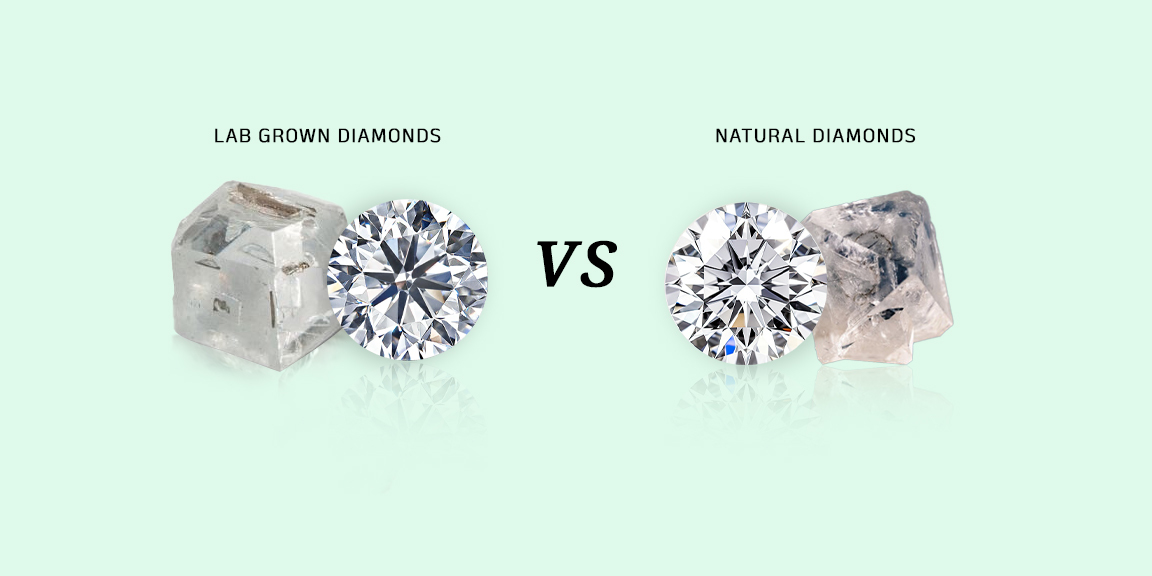
Lab made diamonds (also called synthetic, lab‑grown, or laboratory‑created) are produced using advanced technology—primarily High Pressure High Temperature (HPHT) or Chemical Vapor Deposition (CVD). These processes replicate the natural conditions under which diamonds form, resulting in gems that are chemically and optically identical to mined diamonds
From gemologists’ perspective, lab‑grown diamonds are “real”: they exhibit the same hardness (Mohs scale 10), sparkle, and can be graded using the four Cs—cut, color, clarity, and carat— respected labs like GIA or IGI Since 2019, the GIA no longer uses the word “synthetic” on its reports, acknowledging lab‑grown diamonds as true diamonds
Benefits: Affordability, Ethics, and Sustainability
Choosing lab created diamonds delivers substantial advantages:
- Cost savings: On average they cost 20–50 % less than comparable mined stones, allowing buyers to afford a larger or higher‑quality gem within budget
- Ethical sourcing: These gems are conflict‑free and avoid the environmental and social issues associated with mining
- Eco‑friendly potential: While some manufacturers rely on fossil fuel energy, others increasingly utilize renewable sources. Still, transparency varies across producers
The growing consumer shift—especially among millennials and Gen Z—is driven these factors. Lab diamonds now represent about 17–25 % of the diamond jewelry market value, with demand continuing to rise
Why Choose a Trilogy Ring with Lab Made Diamonds?
Deep Symbolism Meets Modern Values
A trilogy ring, lab made diamonds style, unites the powerful symbolism of past, present, and future with a conscientious material choice. Each gem can represent memory, moment, and hope—with none of the ecological cost of mined diamonds. It’s a thoughtful way to honor tradition while aligning with contemporary values.
Greater Sparkle for Less
By opting for lab‑grown stones, many couples can afford higher color and clarity grades, or even opt for coloured varieties like pink, blue, or black diamonds—without breaking the bank Brands such as Grown Brilliance and Valquère emphasize that their three‑stone rings deliver strong visual impact at accessible prices
Customisation and Variety
Because lab diamonds are more accessible and often produced at scale, they support customization in shape (round, cushion, oval, emerald), colored stone options, and metal types (white/yellow/rose gold, platinum). Jewelry houses specializing in bespoke trilogy rings—like Lebrusan’s Demeter or Carina designs—allow creative flexibility to tailor style and meaning
Design Considerations: Crafting Your Trilogy Ring
Stone Placement and Sizes
The classic layout features a slightly raised center stone with two identically sized side gems. Some prefer all three evenly sized for a more symmetrical eternity‑style look. Others choose peripheral gemstones in contrast colour or shape to accentuate the central piece.
Metal and Setting Choices
Popular metals for trilogy engagement rings include platinum, white gold, yellow gold, and rose gold. The choice affects overall tone, durability, and price. Settings range from classic prongs to modern bezel or channel settings, and from solitaire‑style three‑stone designs to halo‑enhanced variations
Grading and Certification
When selecting lab diamonds for your trilogy ring, ensure they come with certification—preferably from GIA or IGI—grading all four Cs. Often, the girdle is laser‑inscribed to indicate the diamond is lab‑grown, which guarantees traceability and peace of mind
Common Misconceptions and Real Value
“Are Lab Diamonds Real Diamonds?”
Yes—they are chemically, physically, and optically identical to mined diamonds. Only specialized certification tools can tell them apart. To the naked eye, there’s no distinguishable difference
“Will They Hold Their Value?”
Resale and investment value remains a bone of contention. While natural diamonds have historically retained value, lab‑grown stones tend to depreciate due to increasing supply and lack of scarcity As one Reddit commenter put it about lab diamonds:
“It’s an investment in a sense that you’re not driving yourself broke … Plus, it’s just as durable and long‑lasting as an earth‑mined diamond…”
Still, if resale or legacy value is paramount, natural diamonds may carry more long‑term prestige.
“Are They Sustainable?”
While lab‑created diamonds avoid the ecological damage of mining, they are energy‑intensive—especially HPHT methods. Some brands are shifting toward renewable energy sources, but transparency and credentials vary widely. It’s vital to ask about the producer’s energy sourcing and environmental policies
Real‑World Examples and Trends
- Celebrity Influence: Meghan Markle’s trilogy engagement ring revived public interest in three‑stone designs. Her ring’s symbolism of past, present, and future, using meaningful center and side stones, cemented the trilogy ring in modern romance
- Retail Popularity: Jewelry retailers like Grown Brilliance, Ritani, Brilliant Earth, and Valquère now offer a growing selection of lab‑grown trilogy rings, appealing to ethically minded buyers
- Market Shift: By 2025, lab‑grown diamonds account for up to 25 % of the jewelry market value. Prices for natural diamonds have declined sharply—up to 30–50 % in some segments—owing to competition from synthetic alternatives and changing consumer attitudes
Pros & Cons at a Glance
| Pros | Cons |
|---|---|
| More affordable; larger or higher‑quality stones possible | Often lower resale or investment value |
| Ethically sourced; conflict‑free | Variable sustainability depending on manufacturing |
| Equal brilliance, hardness, and certification standards as mined gems | Some still view them as less prestigious |
| Wide customization (shape, color, metal, engraving) | Flooded future supply may further reduce rarity |
Conclusion
A trilogy ring, lab made diamonds offers a compelling union of timeless meaning and modern responsibility. With the three‑stone design symbolizing past, present, and future alongside gems grown ethically and affordably in labs, it meets the emotional and practical expectations of 21st‑century couples. Whether you value sustainability, customization, or simply want more sparkle for your budget, a trilogy ring with lab‑created diamonds delivers beauty and meaning without compromise. If you choose wisely—certified gems, reputable producers, thoughtful design—you’ll wear not just a stunning ring, but a statement of values and love that endures.


