
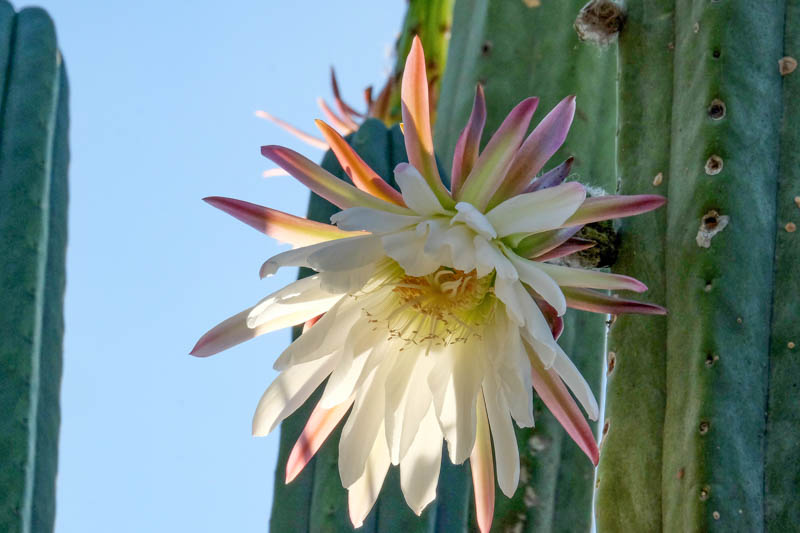
The growing interest in natural and traditional botanicals has led many people to explore unique plant-based products from around the world. One such botanical is San Pedro cactus powder, known for its long history in Andean culture. If you’re looking to Buy San pedro powder, it’s important to understand its origins, quality factors, and what to look for before making a purchase. Being informed ensures you get a product that is authentic, responsibly sourced, and suitable for your needs.
Understanding San Pedro Cactus
San Pedro cactus, scientifically known as Echinopsis pachanoi, is a fast-growing cactus native to the Andes Mountains of South America. It has been traditionally used for centuries indigenous communities in countries like Peru and Ecuador.
This cactus is valued not only for its cultural significance but also for its unique composition and versatility. Over time, it has gained popularity worldwide among individuals interested in ethnobotany, natural products, and plant-based traditions.
The powder form is created drying and grinding the cactus into a fine consistency, making it easier to store, handle, and use in various applications.
Historical and Cultural Significance
San Pedro cactus has a deep-rooted history in Andean traditions. It has been used in spiritual and ceremonial practices for generations, often associated with healing and connection to nature.
Shamans and traditional practitioners have historically used this cactus in rituals that aim to promote well-being and self-discovery. While modern buyers may approach it from a botanical or collectible perspective, understanding its cultural background adds value and respect to the product.
When purchasing San Pedro powder, it’s important to acknowledge its heritage and ensure that it is sourced responsibly.
What to Look for in High-Quality San Pedro Powder
Not all San Pedro powder is created equal. The quality of the product depends on several factors, including sourcing, processing methods, and storage.
Source and Origin
High-quality San Pedro powder should come from reputable regions known for cultivating healthy cacti. The Andes region remains one of the most trusted sources due to its natural growing conditions.
Ethical sourcing practices are also important. Responsible suppliers ensure that the cactus is harvested sustainably without harming the environment.
Processing Methods
The way the cactus is processed plays a major role in the final product quality. Proper drying techniques help preserve the plant’s natural properties.
The powder should be finely ground and free from contaminants. Poor processing can result in uneven texture or reduced quality.
Color and Texture
A good-quality San Pedro powder typically has a natural greenish color. The texture should be consistent and free from large chunks or debris.
Any unusual discoloration or strong off-putting odor may indicate poor quality or improper storage.
Legal and Ethical Considerations
Before purchasing San Pedro powder, it’s important to understand the legal status in your region. Regulations regarding this botanical can vary depending on the country or state.
Buyers should ensure that they are complying with local laws and purchasing from reputable sources that operate within legal guidelines.
Ethical considerations are equally important. Supporting sellers who prioritize sustainable harvesting and fair trade practices helps protect both the environment and the communities involved in production.
Storage and Shelf Life
Proper storage is essential for maintaining the quality of San Pedro powder. It should be kept in a cool, dry place away from direct sunlight and moisture.
Using airtight containers can help preserve freshness and prevent contamination. When stored correctly, the powder can retain its quality for an extended period.
Finding Reliable Suppliers
When searching for San Pedro Powder for sale, choosing a reliable supplier is crucial. A trustworthy seller will provide clear product descriptions, sourcing information, and customer support.
Look for reviews and feedback from previous customers to assess the seller’s reputation. Transparency in product details is a strong indicator of a reputable business.
Avoid suppliers that lack clear information or offer products at unusually low prices, as this may indicate compromised quality.
Benefits of Powder Form
San Pedro powder offers several advantages compared to other forms of the cactus. Its powdered state makes it easy to measure, store, and transport.
It is also more versatile, allowing users to explore different applications depending on their interests. Whether for research, collection, or other purposes, the powder form provides convenience and practicality.
Tips for First-Time Buyers
If you’re new to San Pedro powder, consider the following tips to ensure a positive experience:
- Start researching the product and its background
- Choose a reputable and transparent supplier
- Verify product quality through descriptions and reviews
- Ensure compliance with local laws and regulations
- Store the product properly after purchase
Taking these steps will help you make an informed decision and avoid common pitfalls.
Respecting Traditional Botanicals
San Pedro cactus is more than just a product—it is a plant with deep cultural and historical significance. Respecting its origins and traditional uses is important when purchasing and handling it.
Supporting ethical suppliers and being mindful of its heritage helps preserve the integrity of this botanical for future generations.
Final Thoughts
San Pedro powder is a fascinating and historically rich botanical that continues to attract interest from around the world. However, buying it requires careful consideration of quality, sourcing, legality, and ethical practices.
By understanding what to look for and choosing a reputable supplier, you can ensure that you are purchasing a product that meets high standards. Whether you are interested in its cultural background, botanical value, or collection purposes, making an informed choice will enhance your overall experience.
With the right approach, your journey into the world of traditional Andean botanicals can be both meaningful and rewarding.